


Key Takeaways
- Family cutoff is usually the result of accumulated emotional harm, not a single disagreement.
- Adults may choose distance when family contact feels psychologically unsafe.
- Toxic family systems often involve control, invalidation, guilt, and repeated boundary violations.
- Cutting contact can bring relief and grief at the same time.
- Estrangement does not always mean lack of love. It often reflects emotional survival.
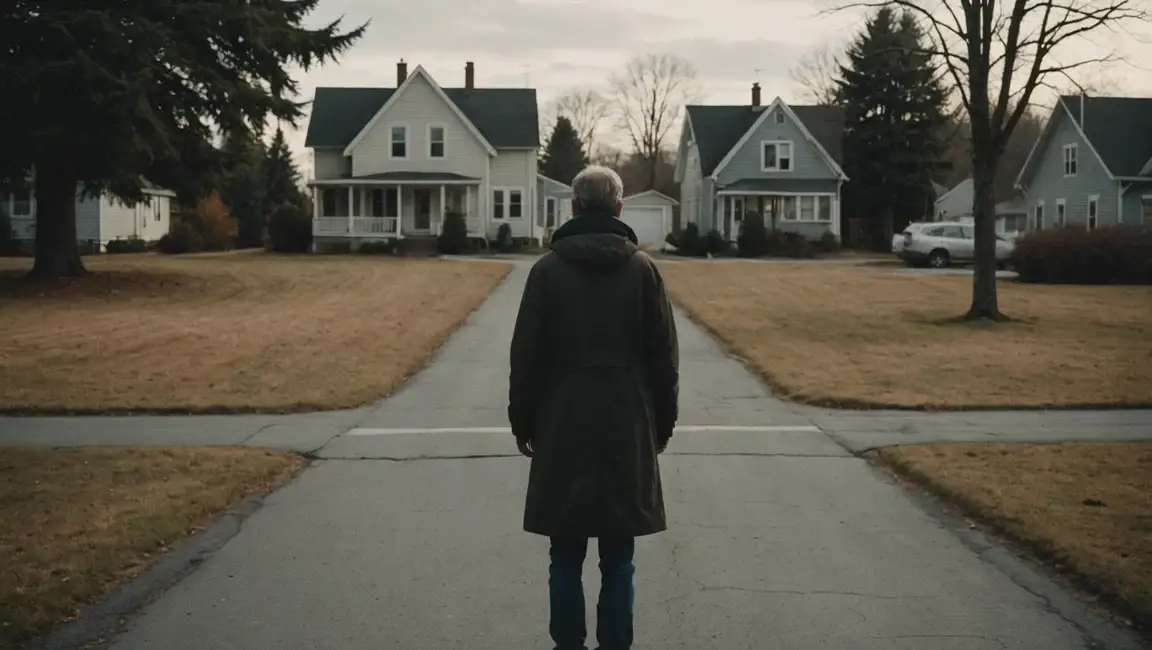
Family estrangement is one of the most misunderstood experiences in adult mental health. Many people assume that adults who cut contact with parents or relatives are acting out of anger, selfishness, or impulsivity.
In reality, the psychological picture is far more complex. In many cases, emotional distance develops after years of distress, repeated failed repair attempts, and a growing sense that the relationship has become psychologically harmful.
Family cutoff is also commonly misread because society still treats blood ties as automatically sacred. Many adults grow up hearing that family must be tolerated no matter what, that loyalty should override pain, and that being related creates a permanent obligation to endure almost anything.
However, biology alone does not create emotional safety. A family bond may be biological, but the sense of trust, protection, and respect that makes a relationship healthy must still be built.
Moreover, family estrangement is not simply about conflict. It often reflects a breakdown in emotional safety, trust, and mutual respect.
When a person repeatedly feels controlled, humiliated, dismissed, or emotionally injured within a family relationship, distance may become less about rejection and more about self-protection.
What family cutoff usually means psychologically
From a psychological perspective, cutting contact with family is often an effort to reduce chronic emotional harm.
The person is not necessarily trying to erase their history or punish relatives. Instead, they may be trying to end a cycle that leaves them anxious, ashamed, dysregulated, guilty, or emotionally exhausted.
Therefore, estrangement is often better understood as a response to accumulated attachment injury.
The person may still care deeply about their family, yet feel unable to remain emotionally stable inside the relationship. This is one reason why cutoff can feel both relieving and painful at the same time.
It is also important to distinguish gratitude from indebtedness. Many adults feel that because their parents fed them, housed them, or raised them, they must repay that care with lifelong access, silence, or emotional submission.
Psychologically, that belief can trap a person inside harmful dynamics for years. Parenting is a responsibility, not a debt contract that the child must spend adulthood repaying with self-abandonment.
The family patterns that often lead to estrangement
Certain family dynamics appear repeatedly in these cases. Harmful systems often include chronic criticism, emotional invalidation, manipulation, humiliation, control, guilt-based pressure, and disregard for clearly stated boundaries.
Sometimes the damage is obvious, such as verbal abuse, intimidation, or neglect. In other situations, the harm is quieter but constant, such as contempt, dismissiveness, or repeated minimization of the person’s experience.
The family is also the first place where people learn what closeness, belonging, and safety are supposed to feel like.
When that environment is rigid, unstable, coercive, or emotionally neglectful, the effects often extend far into adult life. As a result, estrangement may reflect not only a current conflict, but also the long-term impact of growing up in a chronically harmful relational system.
A central issue in many of these families is the absence of respected limits. Healthy boundaries are not acts of aggression. They are the conditions that allow emotional safety to exist.
Yet in dysfunctional systems, a boundary is often treated as rebellion, ingratitude, or disrespect. The adult who eventually cuts contact may do so after discovering that any attempt to create a separate emotional life is met with guilt, intrusion, or retaliation.
Why the decision is rarely sudden
Contrary to popular stereotypes, family cutoff is usually not impulsive. In many cases, it is the final step in a long process.
Before reaching that point, many adults try to explain themselves, reduce contact, set limits, tolerate hurtful behavior, or hope that the relationship will improve.
However, outsiders often look for one dramatic event. They expect a scandal, a betrayal, or a single explosive fight. In reality, the deeper cause is often cumulative.
What breaks the relationship is not always one moment, but the slow buildup of repeated injuries over time. Small humiliations, chronic dismissals, denied pain, repeated criticism, and emotional intrusions can accumulate until the person can no longer function safely within the bond.
Clinically, that hidden history matters because it often changes the meaning of the cutoff entirely. What appears sudden from the outside may have been emotionally building for years.
Want support that’s tailored to your situation?
If this feels familiar and you want support, you can contact Dr. Gustavo Benejam at (305) 981-6434 or (561) 376-9699 Prefer texting? WhatsApp: (561) 376-9699.
Gaslighting, invalidation, and relational exhaustion
One of the most destabilizing patterns in family estrangement is chronic invalidation.
This happens when a person expresses hurt, confusion, or emotional pain and is repeatedly told that they are too sensitive, dramatic, confused, selfish, or wrong about their own experience.
Over time, this can weaken self-trust and create deep internal confusion.
When invalidation becomes chronic, the person is no longer only dealing with the original pain. They are also dealing with the ongoing erasure of that pain. That combination can be psychologically exhausting. Eventually, some adults reach a point where contact itself becomes intolerable, not because they want revenge, but because they can no longer endure the distortion of their reality.
This is why cutoff is often less an act of rage than an act of exhaustion. The person may have spent years trying to explain what hurts, only to receive denial, ridicule, silence, or blame in return.

Triangulation and toxic family roles
In some family systems, direct communication is replaced by alliances, gossip, and role assignment. One person speaks through another, siblings are turned against each other, and emotional tensions are managed through pressure rather than honesty.
This is often called triangulation, and it can keep the entire family trapped in mistrust and chronic conflict.
Within these systems, individuals are frequently assigned fixed roles such as the problem child, the peacemaker, the responsible one, or the disloyal one.
Once a person is locked into one of these roles, anything they say may be filtered through that identity rather than heard on its own terms. Cutting contact can become the only way to step out of a role that the family refuses to let go.
Attachment, trauma, and emotional survival
Attachment theory helps explain why this issue carries so much emotional weight. Family relationships are usually the earliest bonds in life, and they shape how safety, closeness, and belonging are experienced.
When those bonds are mixed with fear, unpredictability, coercion, or repeated emotional injury, the adult child may grow up with deep ambivalence.
They may want closeness while expecting pain. They may seek approval while also feeling threatened by contact.
In trauma-related cases, cutting contact can function as a stabilizing response. The adult may be trying to avoid retraumatization, especially when the family denies past harm, repeats abusive behavior, or punishes any attempt at independence.
In that context, distance may become the first meaningful boundary the person has ever been able to maintain.
Common emotional experiences after cutting contact
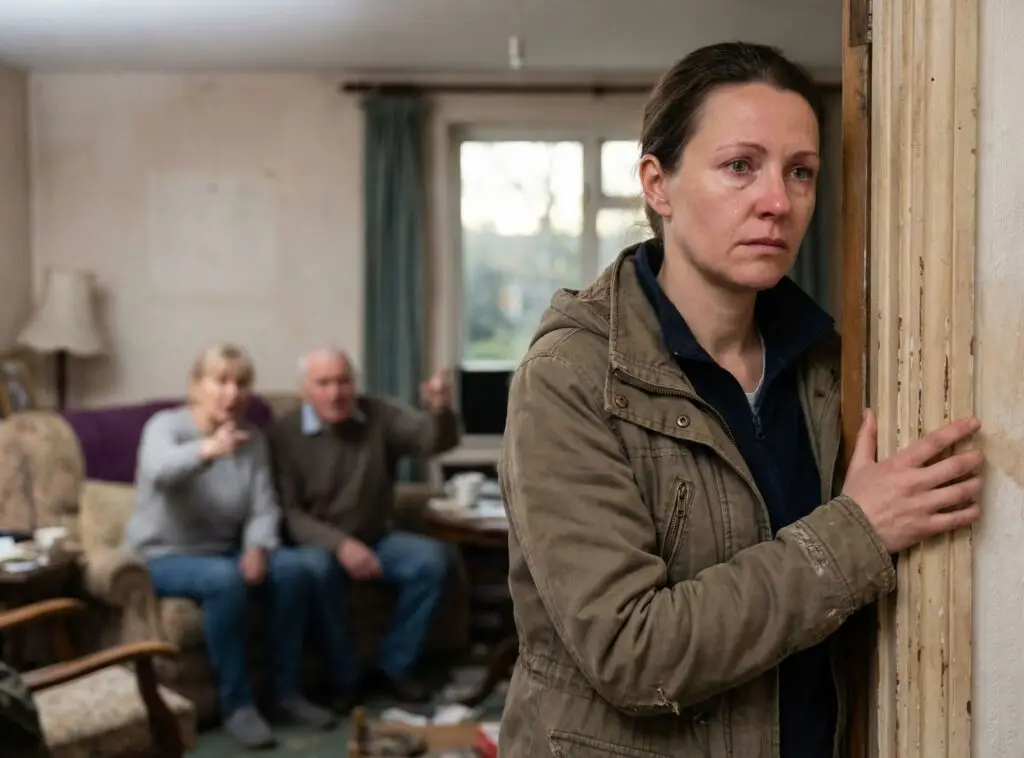
Although estrangement may reduce distress, it does not automatically create peace.
Many adults experience relief at first because the immediate source of emotional injury is no longer active. Yet that relief is often followed by grief, guilt, confusion, loneliness, and persistent self-doubt.
Moreover, people are often grieving more than the relationship itself.
They may also be grieving the family they hoped to have, the repair that never happened, or the version of belonging they spent years trying to earn. In many cases, the grief is directed toward someone who is still alive.
That creates a particularly disorienting form of mourning because the loss is not physical absence alone. It is the collapse of hope.
This kind of grief can be psychologically difficult to name. The person is not only losing contact. They are also letting go of the fantasy that one day the relationship will become safe, validating, or emotionally mutual.
That is why the silence after cutoff can feel painful even when the decision was necessary.
Why guilt and shame are so common
Guilt is common because family loyalty is deeply moralized in many cultures.
People are often taught that parents must be honored regardless of behavior, that blood ties should never be broken, and that strong boundaries are selfish or cruel.
As a result, even when estrangement is psychologically necessary, the person may still feel that they have violated a basic moral rule.
Additionally, toxic family systems often train members to absorb blame.
If a person has long been labeled difficult, dramatic, ungrateful, or disloyal, those messages may continue shaping their internal narrative even after contact ends. This can intensify shame and make recovery harder.
Guilt may also function like an emotional withdrawal response. Even when the relationship was harmful, the person may miss brief moments of closeness, familiarity, or approval.
That does not mean the cutoff was wrong. It often means the nervous system is adapting to the absence of a bond that was painful but deeply ingrained.
Identity after estrangement
Another important issue is identity disruption. Many adults have spent their entire lives being known primarily through family roles.
They have been the daughter of, the son of, the sibling of, or the person assigned to carry a particular emotional burden within the household.
When contact ends, the question is no longer only who hurt me. It also becomes who am I without this role.
At first, that freedom may feel frightening. The absence of constant criticism, intrusion, or emotional control can leave a person feeling unexpectedly empty.
However, that emptiness is not always a sign of loss alone. It can also be the beginning of psychological space.
For some individuals, estrangement is the first time they are able to hear their own preferences, emotional needs, and inner voice without interference.
When the family leaves physically but stays psychologically
Distance does not automatically remove the family’s influence from the mind.
Many adults continue to hear internalized critical voices long after physical separation. They may still anticipate judgment, fear disapproval, or reproduce the same self-attacking messages they grew up hearing.
This is one reason healing requires more than physical distance. The work often involves recognizing which thoughts genuinely belong to the self and which ones are leftover echoes of family control, shame, or criticism.
Psychological separation is often slower than physical separation.
Not every case is identical
It is also important to avoid simplistic conclusions.
Not every family rupture reflects the same level of danger, and not every no-contact decision is automatically the healthiest path.
Some situations involve patterns of clear emotional harm. Others involve unresolved conflict, rigidity, or misattunement without the same degree of psychological threat.
Still, one pattern appears consistently: estrangement is most often linked to longstanding relational pain, repeated boundary failures, and the sense that ongoing contact causes emotional damage.
In those cases, distance may be less about punishment and more about preserving mental and emotional functioning.
When cutting contact may reflect psychological self-protection
Clinically, the key issue is not whether outsiders approve of the decision. The more useful question is whether ongoing contact consistently produces emotional harm, destabilization, fear, or erosion of identity.
If every attempt at honest communication leads to denial, ridicule, coercion, or retaliation, then distance may serve a protective purpose.
Furthermore, some adults do not choose no-contact because they want permanent separation. They choose it because they no longer see a safe way to remain connected.
That distinction matters. It shifts the interpretation from cruelty to emotional necessity.
It is also useful to distinguish forgiveness from access. A person may reach a place of emotional release without reopening the relationship.
Forgiveness, when it occurs, may help reduce resentment or emotional burden. However, that does not automatically require renewed closeness, trust, or entry into one’s private life. Access must be earned through safety, consistency, and respect.
Healing after family estrangement
Healing does not always require reconciliation. In some cases, the healthiest path involves building emotional stability, mourning what was missing, strengthening identity, and learning healthier relational patterns elsewhere.
The main psychological tasks often include boundary development, grief work, trauma processing, and reducing shame-based self-blame.
Equally important is the creation of healthier forms of belonging. Many adults begin to recover by building what could be called a chosen family, meaning relationships grounded in respect, reciprocity, and emotional safety rather than biology alone.
This can be deeply corrective for people whose original family environment taught them that love must be earned through silence or endurance.
However, healing also requires attention to repetition. Some individuals leave harmful family systems but unconsciously recreate the same emotional patterns in friendships, romantic relationships, or work environments.
If the original wound remains unexamined, the person may continue choosing relationships that feel familiar rather than safe.
Over time, many people report an initial rise in anxiety followed by a level of peace they had never previously known.
That shift does not mean the process is easy. It means that once chronic relational stress is removed, the mind and body may finally begin to settle.
CLINICAL RELEVANCE
FAQ
Is cutting contact with family always a sign of trauma?
No. However, it is often linked to chronic emotional harm, repeated boundary violations, or unresolved attachment injuries.
Do people who cut contact usually do it suddenly?
Usually not. Many cases follow years of conflict, failed repair attempts, and increasing psychological strain.
Can estrangement bring relief and grief at the same time?
Yes. Many adults experience immediate relief alongside guilt, sadness, loneliness, and grief for the family they wished they had.
Does estrangement always mean the relationship can never improve?
Not always. Some relationships may improve if there is accountability, behavioral change, and sustained respect for boundaries. Others remain unsafe or emotionally damaging.
What is the core psychological issue in family cutoff?
In many cases, it is the conflict between the need to belong and the need to feel emotionally safe.
FINAL CLOSING
Family estrangement is rarely simple. It often develops where love, pain, loyalty, identity, and survival become tightly intertwined.
A clinically grounded view does not romanticize cutoff, but it does take emotional suffering seriously. In many cases, distance is not the opposite of caring.
It is the boundary that becomes necessary when a relationship repeatedly harms the person who remains inside it.
Disclaimer: This article is for educational purposes only and does not provide medical advice, diagnosis, or treatment. If you have urgent safety concerns, call 911. If you’re in the U.S. and in crisis or thinking about self-harm, call or text 988.
Talk to Dr. Benejam
Family rupture can carry grief, guilt, confusion, and long-standing emotional pain. Dr. Gustavo Benejam provides clinically grounded psychological evaluations and trauma-informed assessment with careful attention to attachment, emotional functioning, and the long-term impact of harmful family dynamics.
Contact Dr. Benejam’s offices at (305) 981-6434 or (561) 376-9699 to get help.