


What We Need to Understand About ADHD
Attention Deficit Hyperactivity Disorder (ADHD) is a neurodevelopmental condition, not a character flaw. It affects children, teens, and adults, and it shows up through ongoing patterns of inattention, hyperactivity, and impulsivity that can seriously interfere with daily life.
For many years, people misunderstood ADHD. It was often blamed on poor parenting, laziness, or “too much energy.”
However, newer research has made it clear that ADHD is a complex condition that deserves the same respect and seriousness as any other medical or mental health issue.
Because of this, it is crucial to build a more accurate and compassionate understanding of what ADHD really is.
ADHD: A Neurobiological Reality
First of all, ADHD is a genuine neurobiological condition.
It is not caused by a lack of discipline or a failure of willpower.
In fact, brain imaging and other studies show measurable differences in brain structure and function in people with ADHD, especially in areas involved in attention, planning, and impulse control.
These differences do not simply disappear with age. Instead, they often continue into adulthood, even if the way symptoms look on the outside changes over time.
Therefore, the idea that children “just grow out of it” is misleading. Some people learn to mask or manage their symptoms better, yet the underlying differences in how their brain works usually remain.
Because ADHD is rooted in the brain, it responds best to approaches that take biology, psychology, and environment into account, rather than criticism or shame.
Why ADHD Diagnoses Are Increasing
Over the last few decades, ADHD diagnoses have clearly increased.
At first glance, this might seem alarming and easy to blame on sugar, screens, or modern parenting. However, the reality is more nuanced.
On one hand, professionals now recognize that ADHD can present very differently in:
Girls and women
Gifted or high-achieving students
Adults who were never evaluated in childhood
As a result, more people who were previously ignored or misjudged are finally getting an explanation for what they experience.
On the other hand, there is also more awareness that not every restless or distracted child has ADHD.
Many behaviors, such as misbehavior at school or lower grades, can come from stress, trauma, learning difficulties, anxiety, or other issues.
Consequently, a careful evaluation is essential. A good assessment looks beyond labels and explores the full context of the person’s life.
How Serious Is ADHD?
Sometimes ADHD is dismissed as “just being a little distracted.” In reality, it can have serious long-term effects if it is not understood and treated.
Core symptoms like inattention, impulsivity, and hyperactivity may sound mild. However, over time, they can:
- Increase the risk of accidents and injuries
- Contribute to job loss or unstable work history
- Put strain on marriages and family relationships
- Raise the chances of substance misuse and other risky behaviors
In addition, ADHD can deeply affect academic performance, self-esteem, and overall quality of life.
Because of repeated struggles and criticism, many people with ADHD grow up believing they are “lazy,” “careless,” or “incapable,” even though the real issue is a mismatch between their brain style and the demands placed on them.
Recognizing ADHD as a serious condition does not mean losing hope. Rather, it means taking symptoms seriously enough to offer real support, instead of moral judgment.
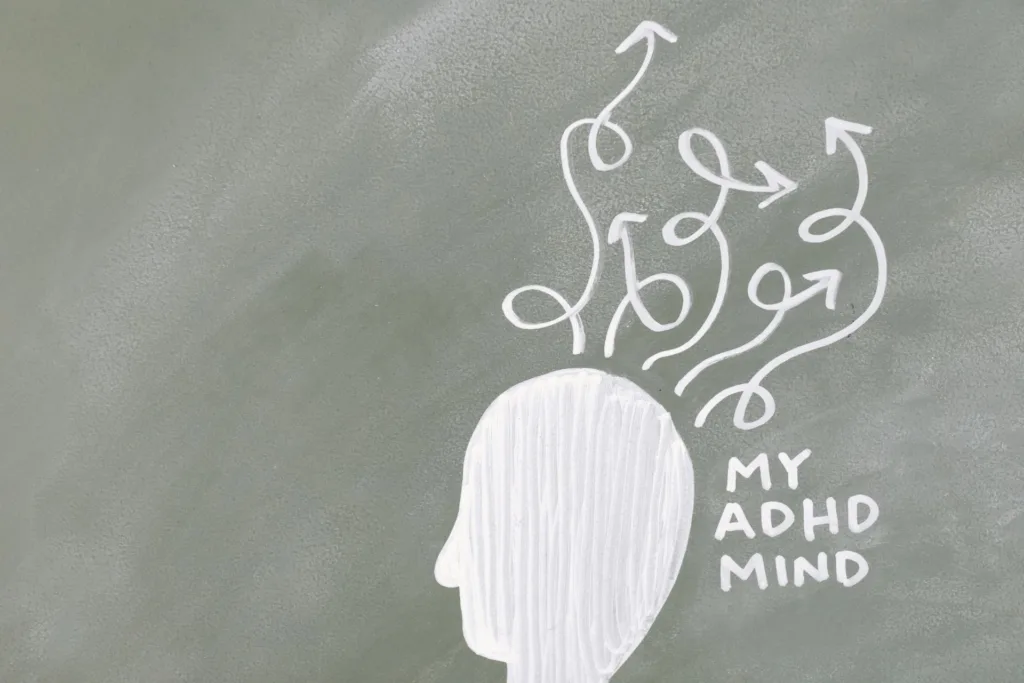
ADHD as a Spectrum Condition
ADHD is best understood as a spectrum. Every person has moments of distraction, restlessness, or impulsive decisions. That is part of being human. However, ADHD goes beyond occasional lapses.
A clinical diagnosis is usually made when symptoms:
- Appear often
- Show up in more than one area of life (for example, at home and at work)
- Have a clear negative impact on school, work, relationships, or daily functioning
In other words, someone can have a few ADHD-like traits without having the disorder.
Just as feeling sad does not automatically mean someone has clinical depression, being easily distracted sometimes does not automatically mean someone has ADHD.
On the other side of the spectrum, symptoms can range from mild (only causing problems in very demanding situations) to severe (making it hard to keep a job, maintain relationships, or manage everyday tasks).
Because of this range, some people may look “high functioning” from the outside, while privately using enormous effort to stay organized or focused.
What Happens When ADHD Is Misunderstood
When ADHD is not recognized or is misunderstood, the consequences can be painful.
People with undiagnosed or untreated ADHD often struggle with:
- Chronic low self-esteem
- Academic or professional underachievement
- Ongoing conflicts with partners, family, or coworkers
- Feelings of shame, failure, and frustration
Moreover, untreated ADHD increases the risk of additional mental health conditions, such as anxiety, depression, and substance use disorders.
Because these extra conditions can grow out of years of feeling “not good enough,” they sometimes hide the underlying ADHD.
For example, an adult might seek help for depression and only later discover that unrecognized ADHD has been driving many of their difficulties.
A thorough evaluation helps connect these dots and opens the door to targeted treatment.
ADHD Self-Screening: A First Step, Not a Diagnosis
Many people suspect they might have ADHD after seeing patterns in their daily lives. For that reason, simple self-screening tools can be helpful.
They invite you to reflect on your experiences and notice how often certain challenges appear.
This type of questionnaire is especially useful for adults who:
- Have always felt “different” in how they think or work
- Struggled in school despite effort and intelligence
- Experience ongoing problems with focus, organization, and follow-through
However, it is important to be clear: a questionnaire is not a diagnostic test.
Only a qualified mental health or medical professional can diagnose ADHD.
Self-screening is meant to be a starting point that encourages people to seek appropriate help, especially if they have been dismissing their own struggles for years.
ADHD Test (Adult Self-Screening)
The following questions reflect common experiences reported by adults with ADHD. When you answer honestly, they can give you a sense of whether ADHD-like patterns are present in your life on a regular basis.
Test de ADHD
If many of your answers fall in the “often” or “very often” range, it might be wise to talk with a professional who can look at the full picture and rule out other causes.
How ADHD Is Managed
Although there is no single cure for ADHD, there are many effective ways to manage symptoms and improve daily life. Typically, treatment for adult ADHD includes a combination of:
- Medication to help with attention, impulse control, and regulation
- Psychotherapy, such as cognitive behavioral therapy, to build skills and address emotional impact
- Coaching or educational support to improve organization, time management, and planning
- Lifestyle changes, including sleep hygiene, exercise, and routines that support focus.
Because every person is different, the most helpful plan is one tailored to the individual’s needs, strengths, and goals.
Over time, many people with ADHD learn how their brains work and build strategies that allow them not only to cope but also to thrive.
Moving From Judgment to Understanding
If you or a loved one is experiencing symptoms of ADHD, we encourage you to seek professional help. Dr. Benejam, a renowned psychologist specializing in ADHD, offers comprehensive evaluations and evidence-based treatments.
Contact his office today to schedule an appointment and take the first step toward better understanding and managing your condition.
Moving From Judgment to Understanding
To truly support people with ADHD, we need to shift from blame to understanding. ADHD is not a choice. It is a real, serious, and complex condition that touches all areas of life, from school and work to relationships and self-esteem.
When families, schools, and workplaces understand ADHD better:
- Children receive support instead of punishment
- Adults are more likely to seek help instead of hiding their struggles
- Communities become more inclusive of different ways of thinking and processing the world
If you or someone you care about is experiencing many of the challenges described here, you do not have to figure it out alone. You can contact Dr. Gustavo Benejam’s office at (561) 376-9699 / (305) 981-6434.
With the right information and support, it is possible to understand your mind better and build a life that truly fits you.