Psychological Evaluation for U Visa
Form I-918
You were the victim of a crime and helped, or are willing to help, the authorities. For the U Visa you must show the substantial physical or mental abuse it caused you. Our report documents it with clinical rigor.
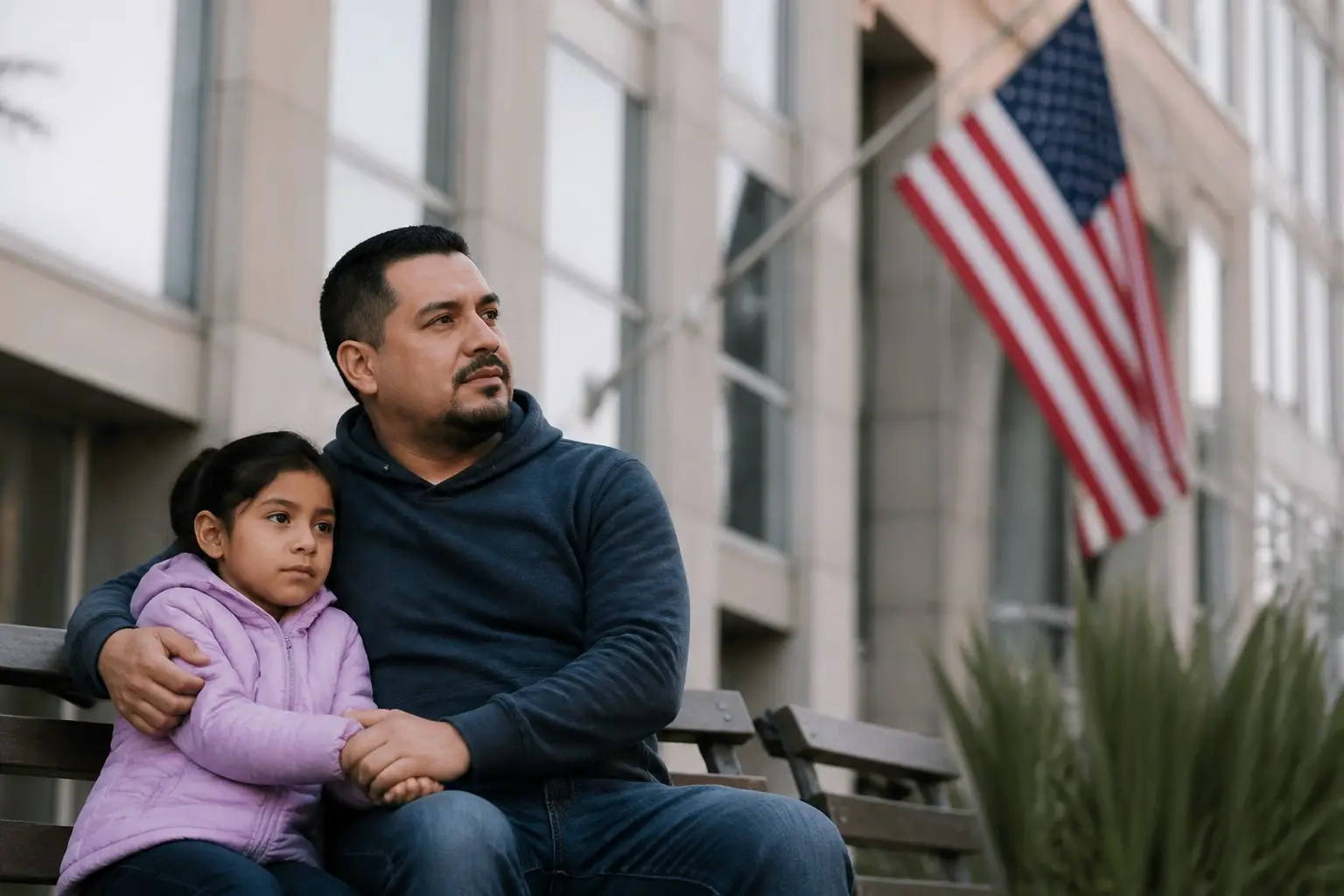
The crime is over, the fear often stays
An assault, domestic violence, a sexual assault, a robbery with threats. Then come the insomnia, the startle reactions, the distrust and the fear of going out. Many people carry on without telling anyone how they feel.
For the U Visa, USCIS needs to see substantial physical or mental abuse resulting from the crime. Emotional harm counts, but it has to be documented.
Our job is to evaluate it, name it and explain it in a way the USCIS officer understands.
What you need to know about the I-918 evaluation
What is it?
A clinical interview with standardized tests. The result is a report signed by a Licensed Clinical Psychologist documenting the impact of the crime on your mental health. It also documents how it affects your daily life: work, sleep, parenting and relationships.
Who needs it?
Victims of certain serious crimes committed in the United States who helped, or are willing to help, the police or prosecutors. Some family members may also qualify.
Why does it help?
It is one of the clearest pieces of evidence of the substantial mental abuse the U Visa requires. Your attorney files it with the law enforcement certification (Supplement B).
How long does it take?
About 7 days after the interview. If your case is urgent, choose Express delivery (48 to 72 hours) or 24-Hour Rush delivery.
"You don't have to tell your story perfectly. You just have to tell it the way it happened. We take care of the rest."Dr. Gustavo R. Benejam, Psy.D.
What your U Visa evaluation documents
Each section answers what USCIS needs to see in an I-918 petition. The report doesn’t exaggerate or promise an outcome: it describes precisely what the evaluation found.
- IYour personal history and what happened on the day of the crime
- IIChanges in your life after the crime: sleep, fear, work and family
- IIIStandardized psychological tests (trauma, anxiety, depression)
- IVDiagnostic impression and severity of the mental harm
- VClinical conclusions signed by Dr. Benejam
How it works
Book
Online, by phone or by text. We confirm the exact date and time.
Interview
In your language, at your own pace.
Signed report
For you and your attorney.
Dr. Benejam explains the U Visa evaluation
In a few minutes: what the U Visa evaluation is for, what the interview is like and what your attorney receives.
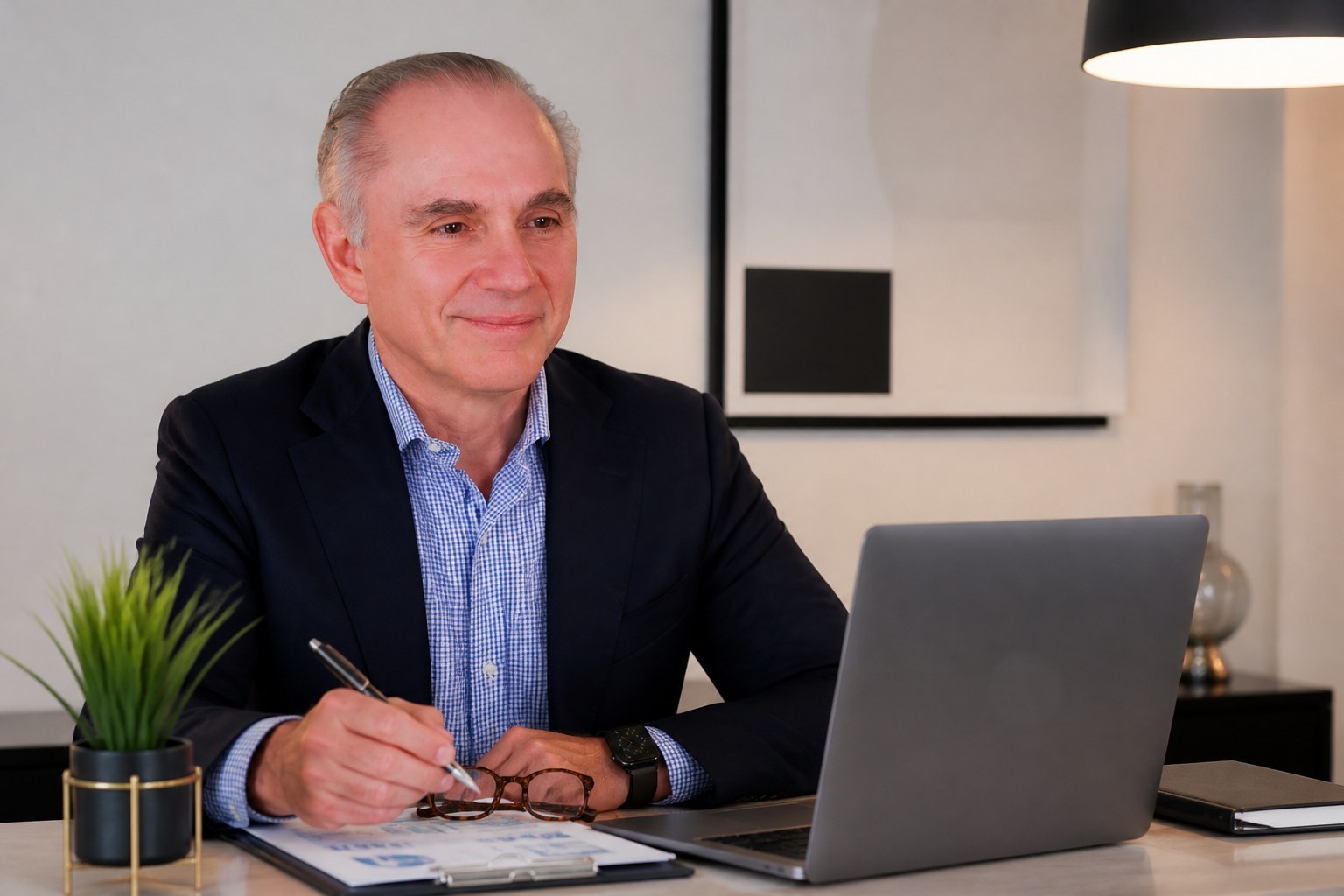
A Licensed Clinical Psychologist
signs your report
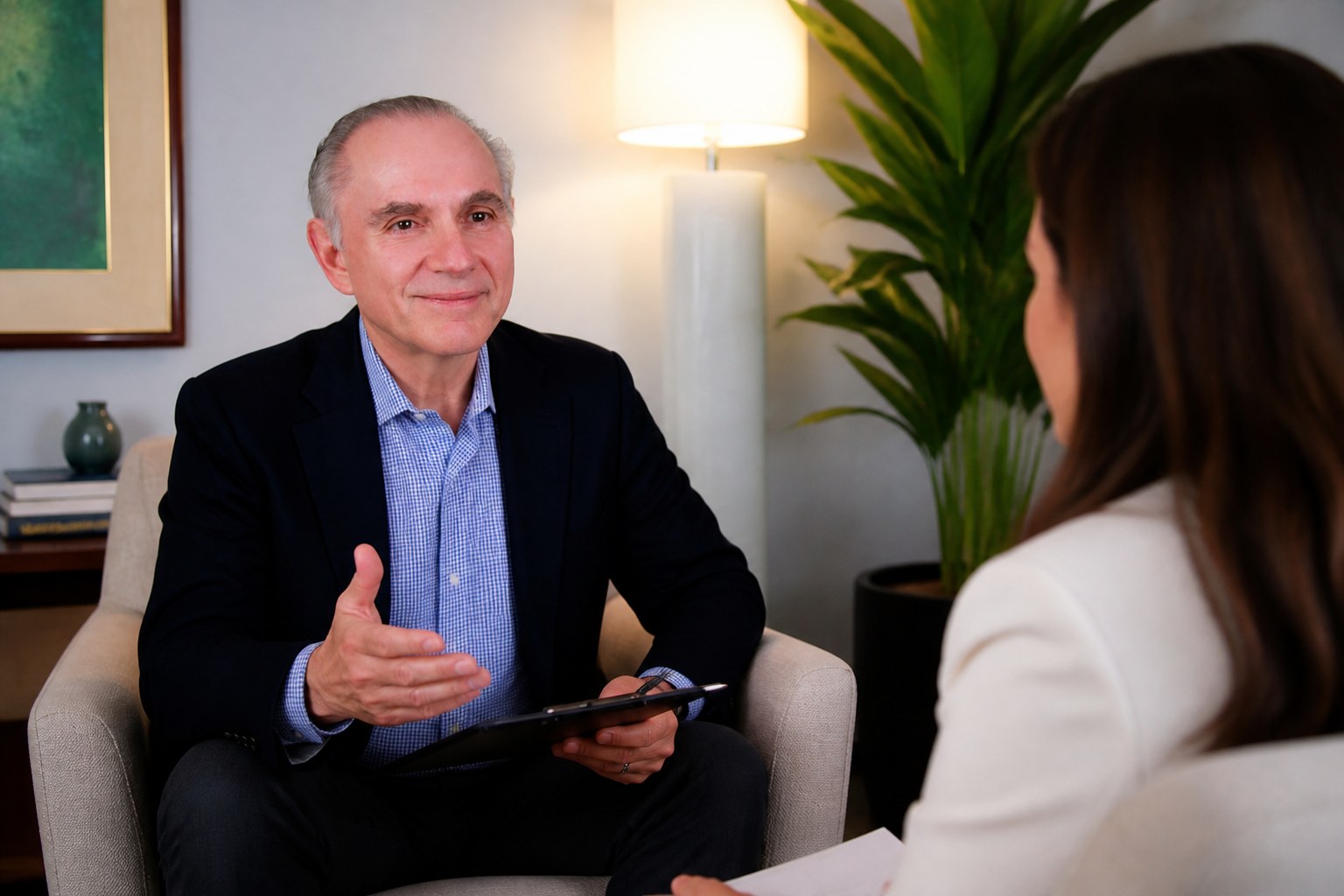
Your evaluation is led by Dr. Gustavo R. Benejam, a Licensed Clinical Psychologist, together with his clinical team. He reviews and signs every report.
Frequently asked questions
about the U Visa evaluation
Can’t find your question? Text us at (305) 981-6434.
Do I need the police certification before the evaluation?
No. You can do the evaluation before or after. Your attorney requests the certification (Supplement B) from the agency that investigated the crime.
The crime was many years ago, does it still help?
Yes, it can. The evaluation documents how what happened then affects you today.
Will the person who harmed me find out?
Not from us. The report goes only to you and your attorney, and federal law protects the confidentiality of these cases.
What happens in the interview?
We talk about your story and you answer a few brief tests. You can take breaks whenever you need.
Does my health insurance cover it?
No. Health insurance, Medicaid and Medicare do not cover psychological evaluations for immigration purposes.
Can I do it by video if I don't live in Florida?
In almost every state, yes, thanks to Dr. Benejam's PSYPACT authorization. Check the state map or text us.
Does the evaluation guarantee approval?
No. No evaluation guarantees an outcome. What it does is document your case with clinical rigor so it is considered in full.
Take the first step today
We reply during office hours. Your call or message is confidential.
Miami, FL 33129 · (305) 981-6434
Boca Raton, FL 33433 · (561) 376-9699
Licensed Clinical Psychologist