Adam Walsh Act
Psychological Evaluation
I-130 and I-129F petitions
A past conviction should not have to keep you apart from your spouse, fiancé(e) or children. USCIS needs to see that you pose no risk to them today. Our evaluation examines that with clinical rigor and explains it clearly.
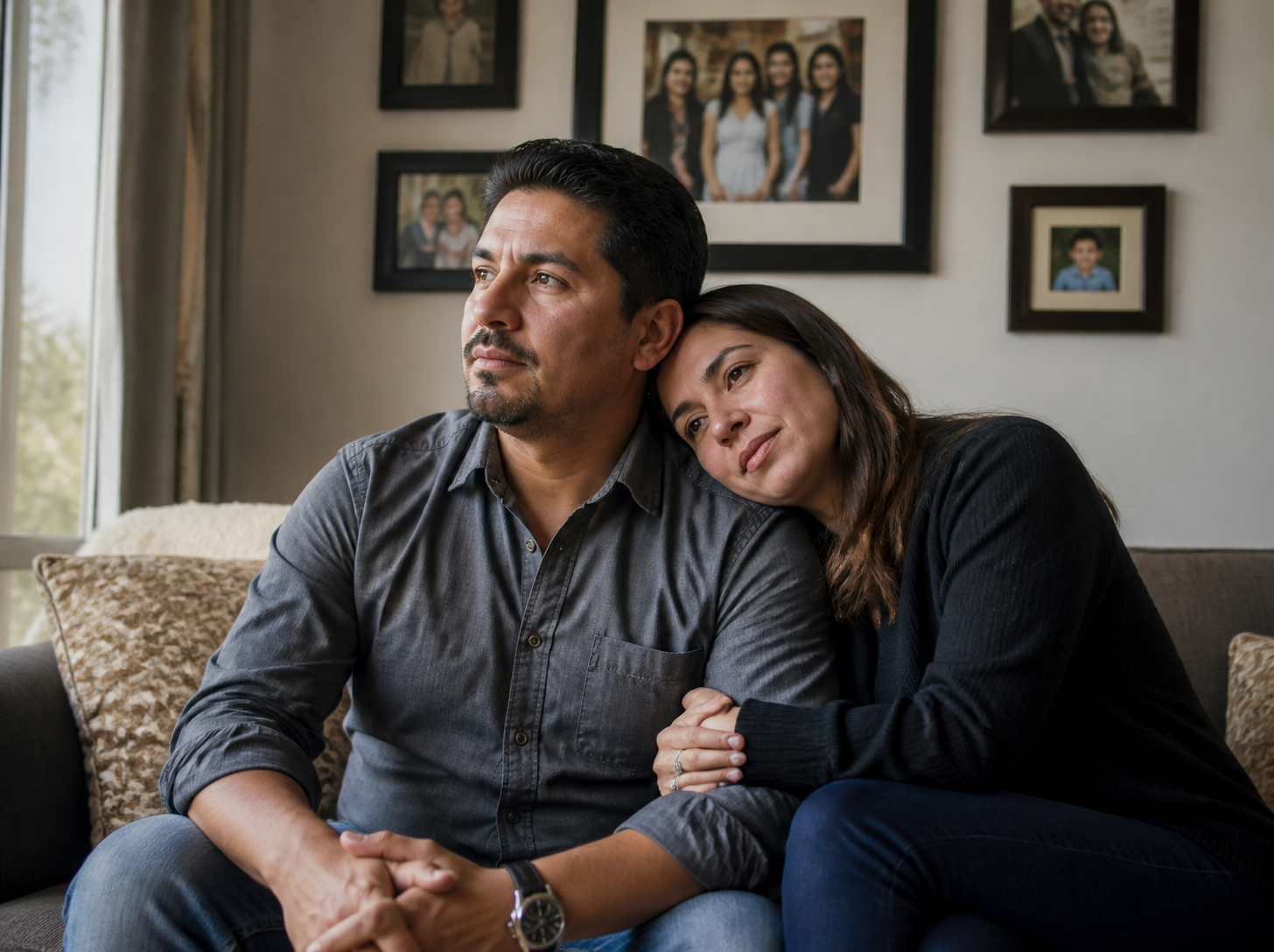
A mistake from the past
should not keep
your family apart
You served your sentence, finished probation and rebuilt your life. But when you filed for your spouse or fiancé(e), USCIS raised the Adam Walsh Act: a 2006 law that blocks petitions from people with certain convictions involving minors unless they prove they pose no risk.
That standard is very demanding, and the decision is discretionary. The officer needs strong evidence of rehabilitation, and an independent psychological evaluation is one of the most important pieces.
No one here judges you. Our job is to document accurately who you are today.
What you need to know about the Adam Walsh evaluation
What is it?
A risk assessment by a Licensed Clinical Psychologist: interviews, record review and standardized testing.
Who needs it?
U.S. citizens or residents with a conviction for a specified offense against a minor who want to petition for a relative.
How does it help?
It gives USCIS an independent clinical opinion on the petitioner’s current risk and rehabilitation.
How long does it take?
It includes more than one session and a record review. We give you the exact timeline once we review your case.

"My job is not to judge the past. It is to measure honestly who the person is today."Dr. Gustavo R. Benejam, Psy.D.

What your evaluation documents
Each section answers what USCIS needs to see. The report does not minimize the facts: it describes precisely what the evaluation found.
- IPersonal and family history and the offense
- IICompletion of the sentence, treatment and changes since then
- IIIStandardized personality and risk testing
- IVRelationship with the beneficiary and protective factors
- VClinical conclusions signed by Dr. Benejam
How it works
Book
Online, by phone or by text. We confirm the exact date and time.
Interview
In your language, at your own pace.
Signed report
For you and your attorney.
Dr. Benejam explains the Adam Walsh evaluation
In a few minutes: what the Adam Walsh evaluation is for, how the process works and what your attorney receives.

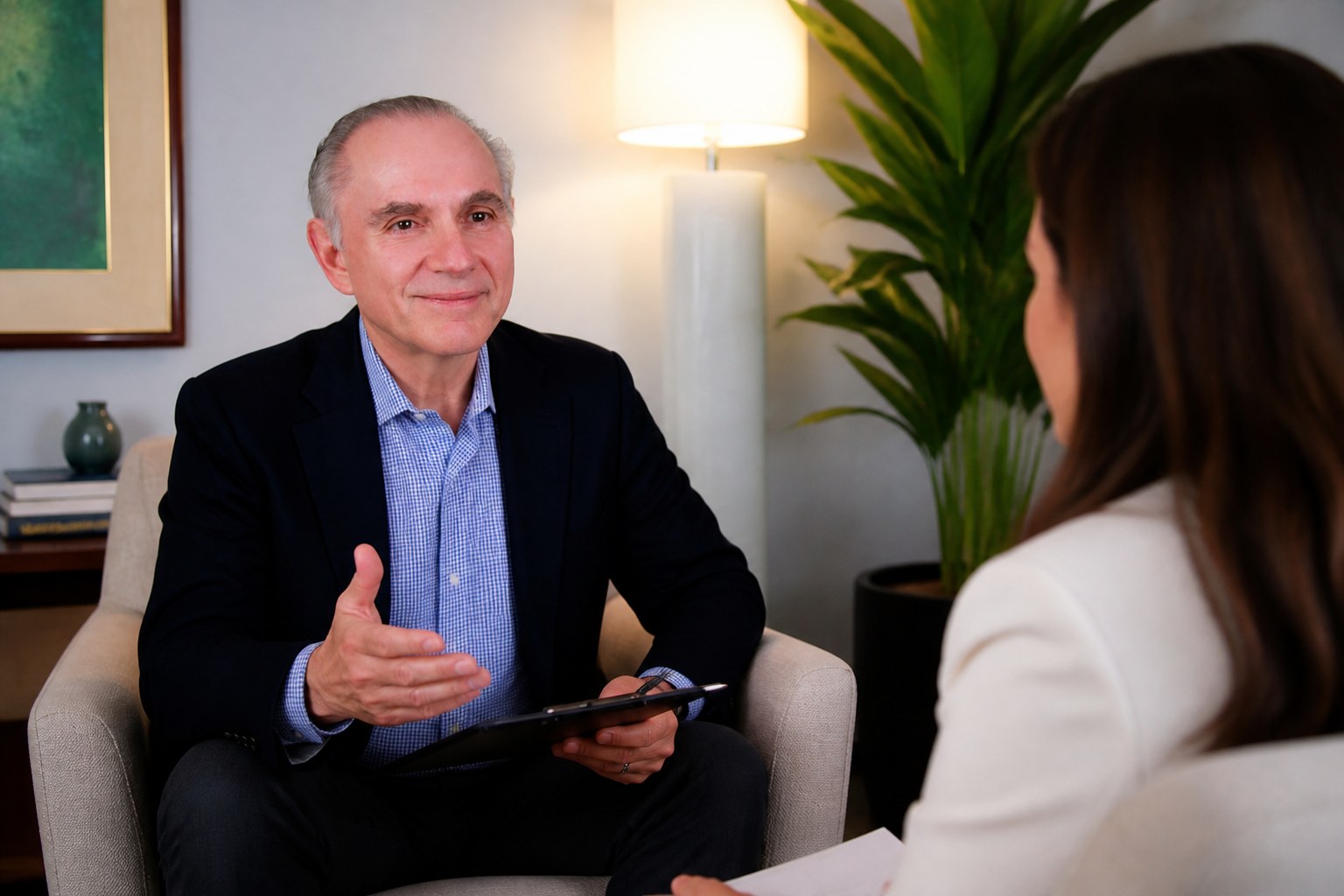
A Licensed Clinical Psychologist
signs your report
Your evaluation is led by Dr. Gustavo R. Benejam, a Licensed Clinical Psychologist, together with his clinical team. He reviews and signs every report.
Frequently asked questions
about the Adam Walsh evaluation
Can’t find your question? Text us at (305) 981-6434.
What is the Adam Walsh Act?
A 2006 federal law. It bars a U.S. citizen or resident with certain convictions involving minors from petitioning for a relative unless USCIS determines that they pose no risk to that person.
Does the evaluation guarantee approval?
No. The decision is at USCIS's discretion. The evaluation provides an independent clinical opinion that your attorney files along with the rest of the evidence.
What documents should I have ready?
Court records, proof of completing the sentence or probation, treatment or therapy certificates and support letters. Your attorney can help you gather them.
What if the result does not favor my case?
We tell you and your attorney honestly. The report describes what the evaluation found, without exaggerating or hiding anything.
Does it help if I already received a denial or an RFE?
Yes. Many people come to us with a request for evidence or after a denial. Your attorney decides how to use the report.
Can it be done by video?
Yes, in almost every state, under Dr. Benejam's PSYPACT authorization.
Which languages do you work in?
English, Spanish and Portuguese.
Take the first step today
We reply during office hours. Your call or message is confidential.
Miami, FL 33129 · (305) 981-6434
Boca Raton, FL 33433 · (561) 376-9699
Licensed Clinical Psychologist